Discovering the Benefits of Preschool Child Care
- adventurespreschoo
- Apr 7
- 4 min read

Preschool child care is more than just a place for children to spend their early years; it is a vital foundation for their future development. As parents, the decision to enroll your child in preschool can be daunting, filled with questions about the benefits and the right choice for your family. This blog post will explore the numerous advantages of preschool child care, providing insights that can help you make an informed decision.
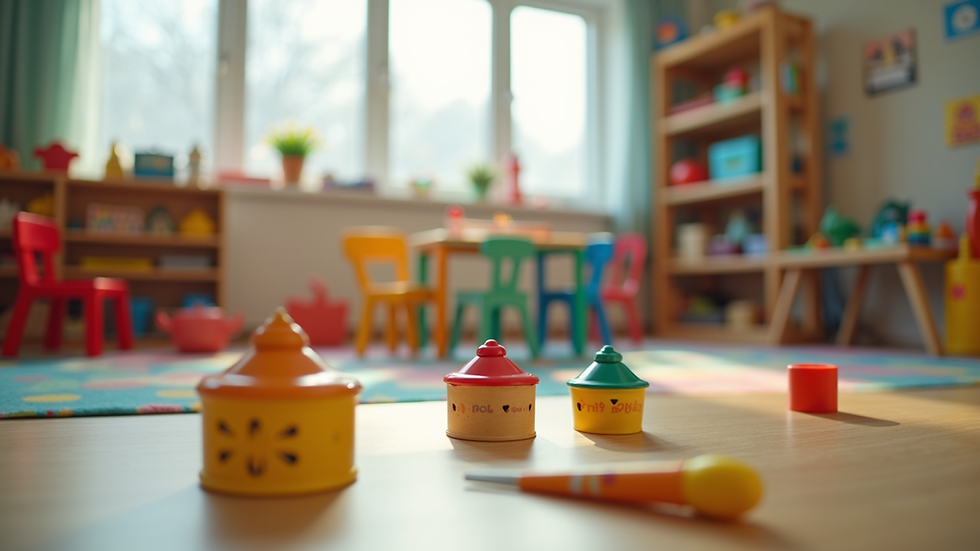
Understanding Preschool Child Care
Preschool child care typically caters to children aged 3 to 5 years. It serves as a bridge between home and formal schooling, offering a structured environment where children can learn and grow. The curriculum often includes a mix of play-based learning, social interaction, and foundational academic skills.
The Importance of Early Childhood Education
Research shows that the early years of a child's life are crucial for cognitive, social, and emotional development. According to the National Institute for Early Education Research, children who attend high-quality preschool programs are better prepared for kindergarten and beyond. They tend to perform better academically and socially compared to their peers who do not attend preschool.
Key Benefits of Preschool Child Care
1. Social Skills Development
One of the most significant benefits of preschool is the opportunity for children to develop essential social skills. In a preschool setting, children learn to interact with their peers, share, take turns, and resolve conflicts. These experiences are vital for building friendships and understanding social norms.
Group Activities: Engaging in group activities helps children learn cooperation and teamwork.
Conflict Resolution: Navigating disagreements with peers teaches children how to handle conflicts constructively.
2. Cognitive Development
Preschool programs are designed to stimulate cognitive development through various activities that promote critical thinking and problem-solving skills. Children engage in hands-on learning experiences that encourage exploration and curiosity.
Structured Learning: Activities such as puzzles, games, and storytelling enhance cognitive skills.
Language Development: Exposure to new vocabulary and language structures supports communication skills.
3. Emotional Growth
Preschool provides a safe environment for children to express their emotions and develop emotional intelligence. They learn to identify their feelings and those of others, which is crucial for building empathy.
Self-Regulation: Children learn to manage their emotions and behaviors in a group setting.
Confidence Building: Successfully navigating new experiences boosts self-esteem.
4. Preparation for Formal Education
Transitioning to kindergarten can be challenging for some children. Preschool helps ease this transition by familiarizing them with a structured learning environment. Children learn routines, follow directions, and understand the expectations of a classroom setting.
Academic Readiness: Preschool introduces foundational skills in literacy and numeracy.
Routine Familiarity: Children become accustomed to the daily schedule of a school day.
5. Parental Support and Community Building
Enrolling your child in preschool also opens doors for parents to connect with other families and build a support network. Many preschools offer resources and workshops for parents, fostering a sense of community.
Parent Involvement: Opportunities for parents to engage in school activities strengthen family bonds.
Resource Sharing: Parents can exchange tips and experiences, creating a supportive environment.
Choosing the Right Preschool
Selecting the right preschool for your child is a crucial decision. Here are some factors to consider:
1. Curriculum and Philosophy
Different preschools may follow various educational philosophies, such as Montessori, Reggio Emilia, or traditional play-based learning. Research these approaches to find one that aligns with your values and your child's learning style.
2. Staff Qualifications
The qualifications and experience of the teaching staff are essential. Look for preschools with trained educators who are passionate about early childhood education.
3. Class Size and Ratios
Smaller class sizes often lead to more individualized attention for each child. Check the teacher-to-student ratio to ensure your child will receive the support they need.
4. Environment and Safety
Visit the preschool to assess the environment. A safe, clean, and stimulating space is vital for your child's development. Look for outdoor play areas and resources that encourage exploration.
5. Parent Reviews and Recommendations
Seek feedback from other parents about their experiences with the preschool. Online reviews and personal recommendations can provide valuable insights.
The Role of Play in Preschool
Play is a fundamental aspect of preschool education. It is through play that children learn about the world around them, develop social skills, and enhance their creativity. Here are some ways play is integrated into preschool learning:
1. Structured Play
Structured play activities, such as group games and guided art projects, help children learn specific skills while having fun. These activities often focus on teamwork, communication, and problem-solving.
2. Free Play
Free play allows children to explore their interests and creativity. Whether building with blocks or engaging in imaginative play, children learn to make choices and express themselves.
3. Outdoor Play
Outdoor play is essential for physical development. It encourages children to be active, develop motor skills, and engage with nature. Many preschools incorporate outdoor learning experiences into their curriculum.
Addressing Common Concerns
1. Separation Anxiety
It's common for children to experience separation anxiety when starting preschool. Parents can help ease this transition by:
Visiting the Preschool Together: Familiarizing your child with the environment can reduce anxiety.
Establishing a Goodbye Routine: A consistent goodbye ritual can provide comfort.
2. Cost of Preschool
While preschool can be an investment, many options are available, including public programs and scholarships. Research local resources to find affordable options that fit your budget.
3. Quality of Care
Parents may worry about the quality of care their child will receive. Look for preschools with accreditation and positive reviews from other parents. Trust your instincts when visiting potential schools.
Conclusion
Preschool child care offers numerous benefits that can significantly impact a child's development. From social skills to cognitive growth, the experiences gained in preschool lay the groundwork for future success. As you consider your options, remember that the right preschool can provide a nurturing environment where your child can thrive.
By investing in preschool education, you are not just preparing your child for kindergarten; you are giving them the tools they need to navigate the world with confidence and curiosity. Take the time to explore your options, visit schools, and engage with educators. Your child's early years are precious, and the right preschool can make all the difference.
As you embark on this journey, remember that every child is unique. Trust your instincts, and choose a preschool that aligns with your family's values and your child's needs. The benefits of preschool child care are profound, and the experiences gained during these formative years will last a lifetime.


Uploaded pixel art of my cat and got a clean nonogram puzzle with solvable clues. Rare to find a generator that actually checks for a unique solution.